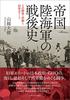
The Postwar History of the Imperial Army and Navy: Their Dissolution, Reorganization, and the Former Military Elite


Beschrijving
The Imperial Army and Navy, which played a major role in modern Japan's political power, were forced to "disband" after Japan's defeat in the Pacific War, disappearing from the political and social scene. However, this did not mean the political or social elimination of the former military; some organizations and systems were "reorganized" and continued to exist throughout the postwar period, including the occupation of Japan. If we consider this process as the "postwar history of the Imperial Army and Navy," how can we interpret the political actions and words of the former military elite (generally professional soldiers who held the rank of lieutenant colonel or above at the end of the war)? This book addresses this question from three perspectives: (1) the activities and roles of the demobilization organization officials who supported GHQ's occupation of Japan (Chapters 1 and 2); (2) the impact and backlash of the abolition of military pensions as "economic demilitarization" (Chapters 3 and 4); and (3) the perceptions, activities, and impact of the former military elite during the process of Japan's rearmament (Chapter 5). Through the actions of former military elites regarding demobilization, pensions, and rearmament, this study will broadly shed light on their actual situation, including their characteristics as actors, the structural background and factors that supported their actions, and their influence on policy. This attempt will provide an opportunity to highlight the "political nature" of former military elites, which has been overlooked in studies of occupation history and postwar history. ▼Table of Contents
Example Introduction Chapter 1: Issues and Perspectives I. The Problem II. The Imperial Army and Navy in Occupation and Postwar History Research III. The Issues and Perspectives of this Book (1) Rearmament (2) Demobilization (3) Pensions IV. Structure of this Book Chapter 1: Defeat and Disarmament Introduction I. The End of the War and the Imperial Army and Navy II. The Imperial Army and Demobilization in Japan III. Disposal of the Imperial Navy's Vessels 4. Duties of Demobilization Organization Officials Regarding Demobilization Work Conclusion Chapter 2. Duties and Roles of Demobilization Organization Officials —The Actual Situation of Retention in Public Office at the Second Ministry of Demobilization— Introduction 1. The Basic Characteristics of Demobilization Organization Officials 2. GHQ and Other Authorities' Perceptions of Demobilization Organization Officials' Retention in Public Office 3. The Deeper Nature of Retention in Public Office During the Occupation 4. The Changing Roles of Demobilization Organization Officials Since the 1950s Conclusion Chapter 3. The Process of Restoring Military Pensions The Shock and Various Aspects of "Economic Demilitarization" Introduction 1. The Suspension of Military Pensions after Defeat 2. Military Support during the Occupation of Japan 3. The Revival of Military Pensions as a "Groundbreaking Event" Conclusion Chapter 4. "Reaction" and the Restoration of Former Military Personnel's Privileges The Case of the Restoration of the Military Pension Years of Service Addition System Introduction 1. The Logic Behind the Abolition and Postponement of the Addition System 2. The Organizational Nature and Campaign Methods of the Military Pension Association 3. The Gunenren Association's Activities Regarding the Restoration of the Premium System IV. Cooperation with the LDP and the Partial Restoration of the Premium System Conclusion Chapter 5. The Reconstruction of the "Air Navy" by the Former Imperial Japanese Navy Group and Its Legacy Introduction I. Prehistory of the Former Imperial Japanese Navy Group's Activities II. The Launch of a Full-Scale Rearmament Plan III. Characteristics of the Maritime Self-Defense Force Organization as Seen in the Second Reconstruction Plan IV. The Intensification of the "Air Navy" Concept and Its Consequences Conclusion Final Chapter: The Dissolution and Reorganization of the Imperial Army and Navy and the Former Military Elite I. Characteristics and Roles of Actors ( 1) Demobilization Organization Staff (2) Military Pension Association (3) Former Imperial Japanese Navy Group 2. Characteristics and Positioning Observed in Trend Analysis (1) Demobilization Operations (2) Restoration of Military Pensions and the Years of Service Accumulation System (3) Reconstruction of the Maritime Self-Defense Force Afterword Notes List of References Index