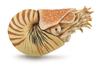
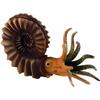
Product Introduction
【As Interior Decor, As a Collection】
HANSA is loved by both children and adults for its realistic expressions, cuteness, and decorative appeal. The range of practical, realistic plush stools, cushions, rugs, and other items that are easy to incorporate into interior design is also gradually increasing.
Please welcome these animal friends into your home collection, interior, or even create a relaxing space in your office.
Safety Warning
Keep away from fire as it may cause deformation, deterioration, or fire. Small parts are used inside and on the surface. Do not give to children under 6 years old to prevent accidental ingestion. Please be aware that color fading and transfer may occur due to friction.
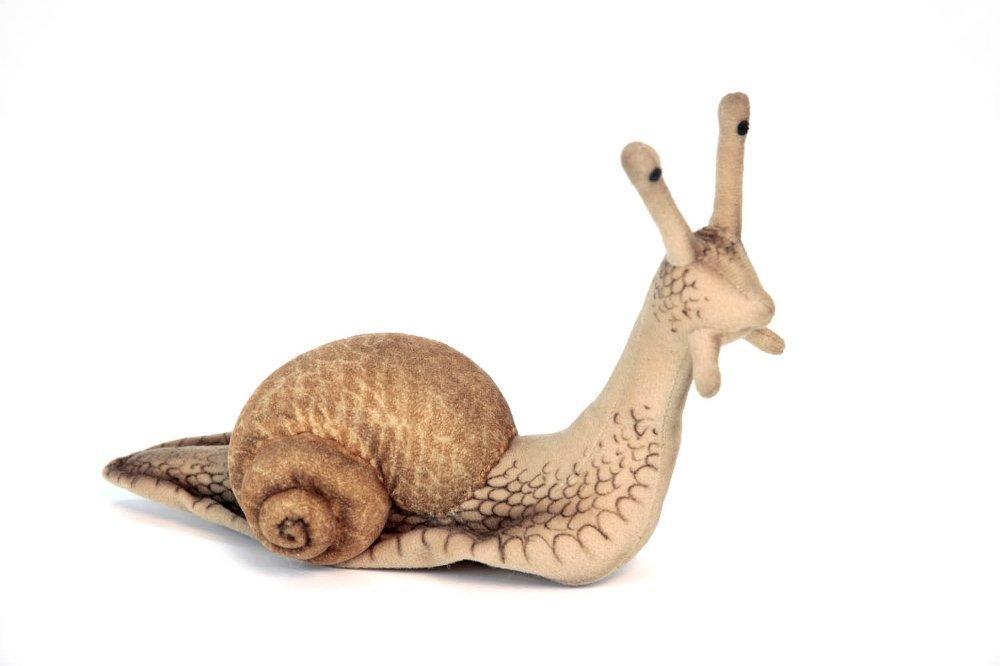
Realistic Animal Plush Toy
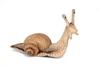
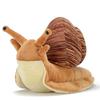
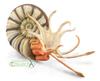
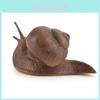
Mollusks: Snail
【About HANSA】Since its founding in Australia in 1972, HANSA has been researching various creatures, mainly animals that inhabit the Earth, and manufacturing plush toys that realistically reproduce every detail. All HANSA products are manufactured in their own 12,000 square meter factory in the Philippines, without using any subcontractors, in order to meet the required quality standards. We collaborate with museums, environmental protection organizations, and educational institutions to convey the importance of animal and environmental protection around the world.
[What kind of plush toys are HANSA?] HANSA creates plush toys ranging from palm-sized animals to life-sized ones like a 4.8-meter giraffe, using advanced technology to recreate animals that inhabit the Earth. These include familiar pets, animals commonly found in zoos, endemic regional species, ancient dinosaurs and extinct species, and creatures from fantasy worlds. We have contracts with international testing organizations and issue inspection certificates for each individual product.
[Why realistic plush toys?] HANSA continues to create realistic plush toys because we want future generations of children to know not only what animals distributed around the world look like and how they live, but also the fact that human activities such as deforestation and environmental pollution are destroying their habitats. This stems from our commitment to environmental conservation.


 Niet geleverd, dan geld terug